Explore Traditional Kung Fu Styles and Their History
Kung Fu is more than just a martial art; it is a rich tapestry of culture, philosophy, and history that has evolved over centuries. With its roots deeply embedded in Chinese tradition, Kung Fu encompasses various styles, each with its unique techniques, philosophies, and historical significance. In this post, we will explore some of the most prominent traditional Kung Fu styles, their origins, and how they have shaped the martial arts landscape.
The Origins of Kung Fu
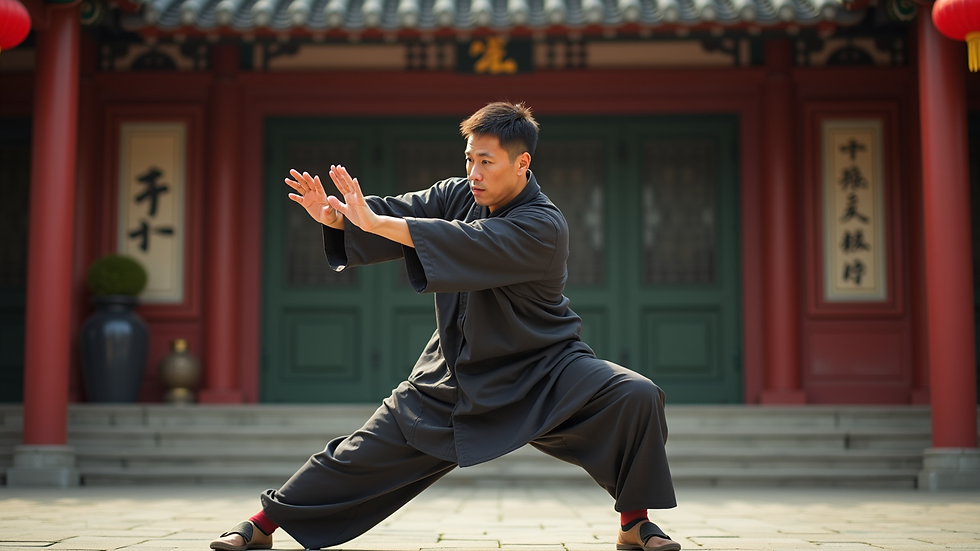
Kung Fu, or Wushu, is often associated with the Shaolin Temple, where monks practiced martial arts as a means of self-defense and spiritual development. The term "Kung Fu" itself translates to "skill achieved through hard work," which reflects the dedication required to master these arts.
Historical Context
The history of Kung Fu can be traced back over 1,500 years. It was during the Tang Dynasty (618-907 AD) that the Shaolin Temple became a center for martial arts training. The monks developed various techniques that combined physical prowess with philosophical teachings, emphasizing discipline, respect, and humility.
Major Traditional Kung Fu Styles
1. Shaolin Kung Fu
Shaolin Kung Fu is perhaps the most famous style, known for its rigorous training and diverse techniques. It incorporates both armed and unarmed combat, focusing on agility, strength, and speed.
Techniques: Includes strikes, kicks, throws, and joint locks.
Philosophy: Emphasizes the balance between mind and body, often integrating Buddhist teachings.
2. Wing Chun
Wing Chun is a close-range combat style that focuses on quick strikes and efficient movements. It was popularized by the legendary martial artist Bruce Lee.
Techniques: Features rapid punches, low kicks, and trapping techniques.
Philosophy: Centers on the principle of using an opponent's force against them, promoting efficiency over brute strength.
3. Tai Chi
Tai Chi is often practiced for its health benefits, but it is also a martial art. This style is characterized by slow, flowing movements that promote relaxation and balance.
Techniques: Involves gentle, circular movements and breathing exercises.
Philosophy: Focuses on harmony and balance, both physically and mentally.
4. Baguazhang
Baguazhang, or "Eight Trigram Palm," is known for its unique footwork and circular movements. Practitioners often walk in a circle while executing techniques.
Techniques: Includes evasive maneuvers, palm strikes, and throws.
Philosophy: Emphasizes adaptability and fluidity, encouraging practitioners to remain flexible in both body and mind.
5. Xing Yi Quan
Xing Yi Quan, or "Form Intent Fist," is a style that mimics the movements of animals and natural elements. It is known for its powerful strikes and direct approach.
Techniques: Features linear movements and explosive strikes.
Philosophy: Focuses on the unity of mind and body, encouraging practitioners to embody the spirit of the elements.
The Role of Philosophy in Kung Fu
Kung Fu is not just about physical techniques; it is deeply intertwined with Chinese philosophy. Concepts such as Taoism and Confucianism play significant roles in shaping the mindset of practitioners.
Taoism
Taoism emphasizes harmony with nature and the universe. In Kung Fu, this translates to the idea of flowing with movements rather than forcing them. Practitioners learn to adapt to their environment and opponents, embodying the principle of "wu wei," or effortless action.
Confucianism
Confucianism focuses on moral integrity, respect for others, and the importance of community. These values are reflected in Kung Fu training, where respect for teachers and fellow students is paramount. The discipline instilled through training fosters personal growth and social responsibility.
The Evolution of Kung Fu in Modern Times
As Kung Fu gained popularity worldwide, it began to evolve. The introduction of films and television shows featuring martial arts heroes helped to popularize various styles, making them accessible to a global audience.
The Influence of Cinema
Movies featuring martial arts legends like Bruce Lee and Jackie Chan brought Kung Fu into the mainstream. These films often showcased the beauty and complexity of traditional styles, inspiring countless individuals to take up martial arts.
Contemporary Practice
Today, Kung Fu is practiced not only as a martial art but also as a form of exercise and self-discipline. Many schools offer classes that focus on the health benefits of Kung Fu, such as improved flexibility, strength, and mental clarity.
Conclusion
Exploring traditional Kung Fu styles reveals a rich history and a profound connection to Chinese culture. Each style offers unique techniques and philosophies that contribute to the overall practice of Kung Fu. Whether you are interested in self-defense, physical fitness, or personal development, Kung Fu provides a path to growth and understanding.
As you consider your journey into the world of Kung Fu, remember that it is not just about mastering techniques but also about embracing the philosophy and values that accompany this ancient art. Take the next step by finding a local school or class to begin your exploration of this fascinating martial art.


Comments